

Key takeaways
- Start with a real source of qualified attention.
- Give the buyer a useful low-friction next step.
- Qualify before writing a proposal.
- Measure handoffs, not vanity totals.
A simple service-business sales funnel moves the right people from useful attention to a proportionate next step, qualification, a conversation, a clear proposal, sale, onboarding and thoughtful follow-up. Fix the weakest handoff before adding channels or automation.
The eight stages
- Attention: show expertise where the buyer already looks.
- Useful next step: offer a checklist, diagnostic or relevant example.
- Qualification: identify need, fit, authority, timing and constraints.
- Conversation: understand the situation before prescribing.
- Proposal: make scope, value, risk, price and decision clear.
- Sale: confirm contract, payment and start conditions.
- Onboarding: gather access and set expectations.
- Follow-up: review the outcome and keep a legitimate relationship.
When the useful next step is an email signup, follow the permission-based list setup guide and choose a relevant signup resource. MailerLite is one candidate for subscribed email; it does not replace a CRM or provide permission for cold outreach.
Distinguish subscribed nurture from individual sales follow-up. Use the welcome email sequence only for eligible subscribers, then move suitable enquiries into a personal conversation.
Hypothetical example: independent HR consultant
A consultant publishes a redundancy-planning checklist for small agencies. The checklist points to a paid 45-minute readiness review. A five-question booking form filters company size, timing and topic. The call either produces a scoped project, a referral to specialist employment counsel, or a useful no. Successful clients receive an onboarding list and a 60-day review. Each step has one purpose.
Funnel diagnostic
| Signal | Likely issue | Next test |
|---|---|---|
| Views, few next steps | Weak relevance or unclear action | Match one page to one buyer problem. |
| Downloads, few conversations | Resource attracts learners, not buyers | Add a qualifying, problem-specific invitation. |
| Calls, few proposals | Targeting or discovery mismatch | Review triggers and call questions. |
| Proposals, few sales | Trust, scope, urgency or price gap | Ask for the actual decision reason. |
| Sales, poor delivery | Qualification or onboarding failure | Tighten dependencies and capacity checks. |
A small measurement plan
Once a week, record qualified attention, next-step actions, suitable enquiries, completed conversations, proposals, wins and time to payment. Add short reasons for loss. The rate between stages matters more than a large top-line visit number.
When manual follow-up is reliable and volume creates a real bottleneck, this guide to marketing automation for a small business can help with the software decision. Keep consent, suppression and human handoffs explicit.
Direct enquiry or an email sequence?
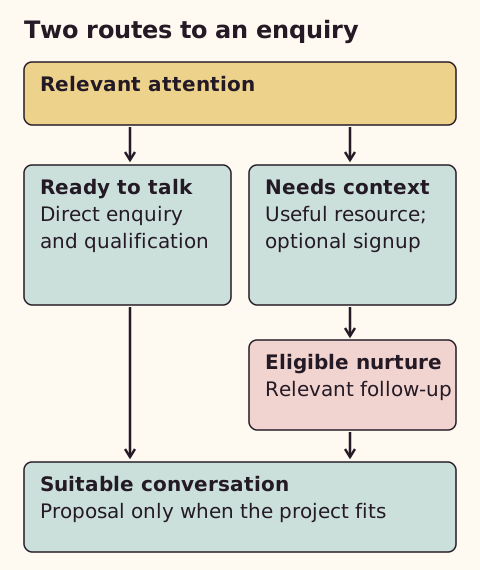
I would offer a direct enquiry route when someone already has a defined need and is ready to discuss it. A useful resource followed by permission-based email suits a longer decision where the reader needs help understanding the problem. Requiring a ready buyer to download a guide adds friction; pushing an uncertain reader into a sales call can be premature. Keep both routes available where the audience contains both situations. Start with a small manual enquiry register when it is reliable; add a CRM when missed owners, dates or follow-ups justify it.
A worked funnel diagnosis
Hypothetical example: follow one group of 20 suitable enquiries through a complete decision period. Twelve hold a conversation, six receive proposals and two buy. The stage rates are 12 ÷ 20 = 60%, 6 ÷ 12 = 50%, and 2 ÷ 6 = 33.3%; the overall enquiry-to-sale rate is 10%. These are invented demonstration counts, not targets or site results.
I would review the four unsuccessful proposals before buying more traffic, but the counts alone do not prove price is the problem. Separate lost, declined and still-open opportunities; record reasons where the buyer supplies them. Do not divide this week's wins by this week's enquiries when they belong to different groups or have had different time to decide. A useful comparison needs the same qualification rules and observation window.
Sources
Initial source checks: 7 September 2026. Later checks are dated in the relevant passages. External information can change.
Spot something that needs correcting? See the corrections process.